Nepal Customs Clearance: The Complete Guide to Safe, Fast Transit
Nepal Customs Clearance: The Complete Guide to Safe, Fast Transit Moving goods across international borders requires more than arranging transportation. For shipments entering or leaving Nepal, customs clearance is an...
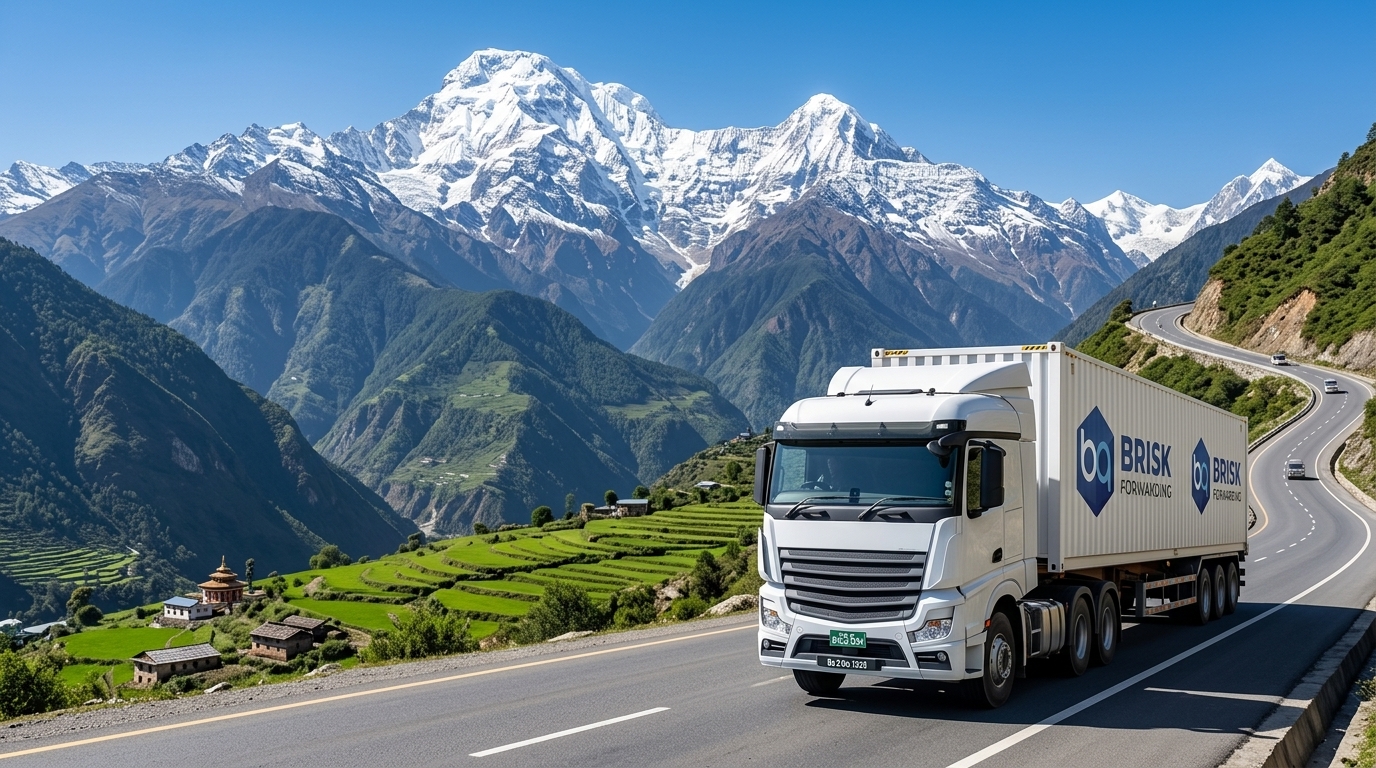
Nepal Customs Clearance: The Complete Guide to Safe, Fast Transit
Moving goods across international borders requires more than arranging transportation. For shipments entering or leaving Nepal, customs clearance is an important part of the logistics process. Proper documentation, accurate cargo information, customs procedures, and coordination with the relevant authorities can help reduce unnecessary delays and make the movement of goods more efficient.
Whether you are importing commercial goods, exporting products, or managing regular international shipments, understanding how customs clearance works in Nepal can help you prepare better and avoid common problems.
In this guide, we explain the Nepal customs clearance process, required documents, common challenges, costs, and how a freight forwarding partner can support your shipment from documentation to final delivery.
What Is Customs Clearance?
Customs clearance is the process of completing the required customs formalities before imported or exported goods can legally move through the border.
During customs clearance, shipment information and supporting documents are reviewed to determine whether the goods meet applicable customs and regulatory requirements.
Depending on the shipment, the process may involve:
- Submission of import or export documents
- Declaration of cargo details
- Classification of goods
- Assessment of customs duties and applicable taxes
- Verification of shipment information
- Physical inspection when required
- Payment of applicable government charges
- Customs release of the shipment
For businesses, proper preparation is important because documentation errors or incomplete information can delay cargo release.
Why Is Customs Clearance Important in Nepal?
Customs clearance connects international transportation with the legal entry or exit of goods.
A shipment may arrive at an airport, dry port, border point, or other customs location, but it generally cannot proceed to its final destination until the required customs procedures have been completed.
Proper customs clearance helps businesses:
- Move cargo through customs efficiently
- Maintain accurate shipment records
- Avoid unnecessary documentation problems
- Understand applicable duties and taxes
- Reduce avoidable delays
- Coordinate transportation and delivery
- Maintain compliance with applicable customs requirements
For companies importing goods regularly, having a structured customs clearance process can make international logistics much easier to manage.
How Does Customs Clearance Work in Nepal?
The exact process can vary depending on the cargo, origin, destination, transportation mode, and applicable regulations. However, a typical customs clearance process includes several important steps.
1. Prepare Shipment Documents
The first step is preparing the required documents for the shipment.
Depending on the nature of the cargo, documents may include:
- Commercial invoice
- Packing list
- Transport document
- Import or export-related documents
- Certificate of origin, where applicable
- Insurance documents, where applicable
- Permits or certificates for regulated goods
- Other supporting documents requested by customs or relevant authorities
Accurate information across all documents is important.
2. Review Cargo Information
Before customs declaration, the shipment details should be checked carefully.
Important information may include:
- Product description
- Quantity
- Weight
- Package details
- Product value
- Country of origin
- Consignee and shipper information
- Transportation details
- Applicable product classification
Incorrect or incomplete information can create additional questions or delays during clearance.
3. Customs Declaration
The shipment is declared to customs using the required documentation and applicable procedures.
The declaration provides customs authorities with information about the goods, their value, origin, classification, and other relevant details.
The accuracy of the declaration is important because customs assessment may depend on the information provided.
4. Customs Assessment
Customs authorities may assess the shipment based on applicable customs rules.
Depending on the shipment, this can involve reviewing:
- Product classification
- Declared value
- Country of origin
- Applicable customs duty
- Applicable taxes
- Required permits or documentation
The amount payable can vary significantly depending on the type and value of goods.
5. Cargo Inspection
Not every shipment necessarily goes through the same level of physical inspection.
Customs may require additional verification depending on the shipment and applicable procedures.
If an inspection is required, the cargo may need to be presented for examination before it can be released.
Proper documentation and accurate cargo information can help make this process more straightforward.
6. Payment of Applicable Duties and Taxes
Where applicable, customs duties, taxes, and other government charges must be settled according to the relevant requirements.
The actual amount depends on factors such as the type of goods, declared value, classification, and applicable regulations.
Businesses should avoid estimating customs costs solely from the purchase price because the final assessment can depend on several factors.
7. Customs Release
Once the required procedures have been completed and applicable payments and requirements have been satisfied, the shipment can be released according to customs procedures.
After release, transportation arrangements can continue toward the final destination.
Documents Required for Nepal Customs Clearance
The documents required depend on the shipment and the applicable regulations. Common documents can include:
Commercial Invoice
The commercial invoice provides information about the transaction, including the seller, buyer, products, quantity, and declared value.
Packing List
A packing list provides details about how the goods are packed, including packages, quantities, dimensions, and weight.
Transport Documents
Depending on the transportation method, documents may include relevant airway, shipping, or road transport documents.
Certificate of Origin
A certificate of origin may be required in certain situations to establish where the goods were produced or manufactured.
Import or Export Documentation
Additional declarations or supporting documents may be required depending on the type of transaction.
Permits and Certificates
Certain products may require specific approvals, licenses, certificates, or other regulatory documents.
Because requirements vary by shipment, businesses should confirm the applicable documentation before cargo is dispatched.
What Can Cause Customs Clearance Delays?
Customs delays can happen for different reasons. Some common issues include:
Incomplete Documents
Missing invoices, packing lists, permits, or other required documents can interrupt the clearance process.
Incorrect Cargo Information
Differences between the actual shipment and declared information can result in additional verification.
Incorrect Product Classification
Goods need to be appropriately classified for customs purposes. Incorrect classification can affect the applicable assessment and may require clarification or correction.
Inaccurate Valuation
The declared value of goods should be properly supported by relevant commercial documents.
Regulatory Requirements
Some products are subject to additional regulatory requirements. If the necessary approvals or certificates are not available, clearance may take longer.
Physical Inspection
When customs requires inspection, additional time may be needed for cargo examination and verification.
How Much Does Customs Clearance Cost in Nepal?
There is no single fixed customs clearance cost for every shipment.
The overall cost can depend on:
- Type of goods
- Customs value
- Applicable duty rate
- Applicable taxes
- Shipment size and weight
- Transportation method
- Customs location
- Required permits or inspections
- Handling and documentation requirements
- Other applicable charges
For this reason, businesses should provide accurate shipment information when requesting a customs and logistics quotation.
A freight forwarder can review the shipment details and help identify the different cost components before transportation is arranged.
Customs Clearance for Air Freight
Air cargo generally reaches Nepal faster than ocean or long-distance road transportation, but customs clearance remains an important part of the process.
Air freight may be suitable for:
- Urgent shipments
- High-value products
- Small commercial shipments
- Time-sensitive goods
- Certain perishable products
- Samples and important business materials
Proper documentation should be prepared before the shipment arrives whenever possible to help coordinate the clearance process efficiently.
Customs Clearance for Ocean Freight
Nepal is a landlocked country, so ocean cargo destined for Nepal involves an international sea transportation leg followed by inland transportation.
Ocean freight can be suitable for:
- Large shipments
- Heavy cargo
- Bulk goods
- Commercial inventory
- Cargo where transportation time is less critical
The overall logistics process can involve multiple stages, including ocean transportation, inland movement, customs procedures, and final delivery.
Coordinating these stages properly is important to avoid unnecessary delays.
Customs Clearance for Road Freight
Road transportation is an important option for Nepal’s cross-border trade, particularly for shipments moving through neighboring countries.
Road freight may be used for:
- Commercial goods
- Retail inventory
- Industrial materials
- Machinery and equipment
- Construction-related cargo
- Cross-border shipments
Because road shipments involve border procedures and transportation coordination, accurate documentation and communication between the shipper, customs representative, transporter, and consignee are important.
Common Customs Clearance Challenges for Importers
Businesses that regularly import goods may face several practical challenges.
Understanding Documentation
New importers may not know which documents are required for their particular type of shipment.
Calculating the Total Landed Cost
The purchase price is only one part of the total cost. Transportation, customs duties, taxes, handling, and other logistics charges may also need to be considered.
Product Classification
Different products can have different customs classifications and applicable requirements.
Coordinating Multiple Parties
International shipments can involve suppliers, shipping lines or airlines, transport companies, customs representatives, warehouses, and importers.
Managing communication between these parties can become difficult without proper coordination.
Unexpected Delays
Inspections, documentation issues, transportation disruptions, or regulatory requirements can affect the expected delivery schedule.
How to Prepare for Faster Customs Clearance
While customs processing time can depend on circumstances outside the importer’s control, businesses can take several steps to improve shipment readiness.
Prepare Documents Before Shipment
Collect and review the required documents before the cargo is dispatched.
Provide Accurate Cargo Details
Make sure product descriptions, quantities, weights, values, and other shipment information are accurate.
Confirm Regulatory Requirements
Check whether the products require specific permits, certificates, or approvals before importing or exporting.
Work With an Experienced Logistics Partner
A freight forwarding and customs clearance partner can coordinate documentation, transportation, and communication between different parties.
Plan the Entire Shipment
Customs clearance should be considered as part of the complete logistics plan rather than treated as a separate step after the cargo arrives.
Customs Clearance vs Freight Forwarding
Customs clearance and freight forwarding are related but different services.
Freight forwarding focuses on arranging and coordinating the transportation of cargo from the origin to the destination.
Customs clearance focuses on completing the required customs formalities so goods can legally move through the applicable customs process.
A freight forwarding company may coordinate both services, allowing the importer or exporter to work with a single logistics partner.
This can make international shipment management easier, particularly when several transportation stages are involved.
How Brisk Forwarding Helps With Customs Clearance
At Brisk Forwarding, we understand that customs clearance is an important part of successful international logistics.
Our team can support businesses with customs and freight coordination based on the requirements of their shipment.
Documentation Support
We help coordinate the documentation required for the shipment and customs process.
Customs Clearance Coordination
We coordinate customs-related procedures and communication to help move cargo through the required clearance process.
Air, Ocean and Land Freight
Our logistics services can be coordinated with customs clearance to create a more complete transportation solution.
Shipment Planning
We help businesses plan transportation and customs requirements together rather than managing them as separate activities.
Cargo Handling and Delivery
After the necessary customs procedures are completed, transportation and delivery can continue toward the final destination.
Who Needs Customs Clearance Services in Nepal?
Customs clearance support can be useful for:
- Importers
- Exporters
- Manufacturers
- E-commerce businesses
- Retail companies
- Wholesalers and distributors
- Construction companies
- Industrial businesses
- International traders
- Businesses importing machinery or equipment
- Companies managing regular international shipments
Whether you are handling one shipment or importing goods regularly, proper customs preparation can make the overall logistics process easier to manage.
Get Customs Clearance and Freight Support in Nepal
International shipping does not end when your cargo reaches the border. Documentation, customs procedures, transportation, and final delivery all need to work together.
With proper preparation and the right logistics partner, businesses can better manage customs requirements and reduce avoidable shipment delays.
Brisk Forwarding provides freight forwarding and logistics support for businesses moving cargo to and from Nepal, including Air Freight, Ocean Freight, Land Transportation, Customs Clearance, Warehousing, Packaging, and Specialty Logistics Support.
If you are planning an import, export, or cross-border shipment, contact Brisk Forwarding to discuss your cargo requirements and logistics options.
Frequently Asked Questions
1. What is customs clearance in Nepal?
Customs clearance is the process of completing the required customs formalities for goods entering or leaving Nepal.
2. What documents are required for customs clearance?
Common documents may include a commercial invoice, packing list, transport documents, and other import/export documents. Additional permits or certificates may be required depending on the type of goods.
3. How long does customs clearance take in Nepal?
The time can vary depending on the shipment, documentation, inspection requirements, customs procedures, and other circumstances. Preparing accurate documents in advance can help avoid unnecessary delays.
4. How much does customs clearance cost in Nepal?
There is no single fixed cost. The total amount can depend on the type and value of goods, applicable duties and taxes, transportation, handling, documentation, and other charges.
5. Can a freight forwarder help with customs clearance?
Yes. A freight forwarding company can coordinate customs-related documentation and procedures as part of a broader logistics service, depending on the services offered and shipment requirements.
6. Is customs clearance required for every international shipment?
International shipments generally need to comply with applicable customs procedures, although the exact requirements can vary depending on the type, value, origin, destination, and nature of the goods.
7. Can Brisk Forwarding handle both freight and customs clearance?
Brisk Forwarding provides freight forwarding and customs clearance support, allowing businesses to coordinate transportation and customs requirements through one logistics partner.
8. What can cause customs clearance delays?
Common causes can include incomplete documentation, incorrect shipment information, classification issues, missing permits, customs inspection, and other regulatory or operational requirements.
9. Can Brisk Forwarding help with air, ocean, and land shipments?
Yes. Brisk Forwarding provides logistics support across air freight, ocean freight, and land transportation, along with customs clearance and related services.
10. How can I get a customs clearance quotation?
Provide details such as the cargo type, origin, destination, quantity, weight, dimensions, value, and preferred transportation method. Brisk Forwarding can then review the shipment requirements and discuss the available logistics solution.
Final Thoughts
Customs clearance is one of the most important parts of international trade and logistics in Nepal. Accurate documentation, proper cargo information, regulatory preparation, and effective coordination can help businesses manage the process more efficiently.
Whether you are importing products from India or China, receiving ocean cargo through an international port, or arranging urgent air shipments, customs should be considered from the beginning of your logistics plan.
With the right preparation and professional logistics support, businesses can move their cargo with greater clarity and better coordination from origin to final destination.
Brisk Forwarding — Supporting Your Cargo Beyond Borders.
Ready to Get Started?
Contact our logistics specialists today for customized solutions, route information, and a quick quotation.